A celebration
that feels like you.
Ideas for the choices that shape a wedding—and the words, people, and everyday life that give it meaning.
Start with the planning guide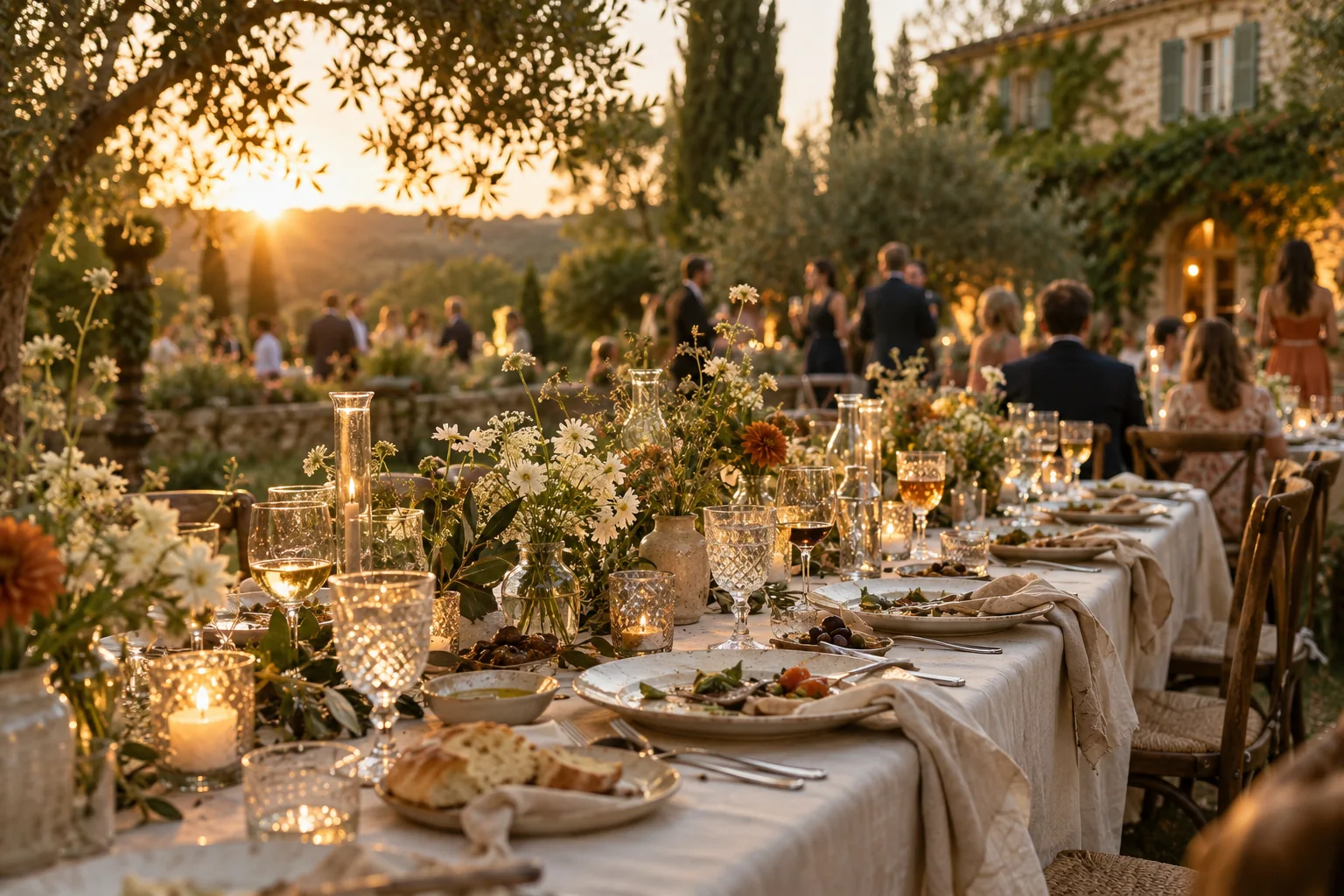 A little less performance. A little more presence.
Make room for what matters.
A wedding can hold family tradition, a new ritual, an excellent meal, and a quiet exchange between two people. It does not need to look like anyone else's event. Dec Wedding helps readers sort the practical decisions from the decorative noise, then make choices that work for their people and their budget.
We cover invitations and card messages, ceremonies and receptions, gifts and guest care, and the conversations couples have before and after the day. Our guides use examples you can adapt, questions to ask vendors, and simple ways to decide what deserves your time. There is no universal checklist that fits every family; there is a useful way to build one of your own.
Good plans begin with clear choices.
These are the guides we would put on the table first. Each solves a different part of the planning process, from setting priorities to handing over the final schedule.

A Wedding Planning Checklist That Leaves Room to Breathe
A practical wedding planning checklist organized by decisions, deadlines and handoffs so you can plan a celebration that feels like yours.
Read the guideWhat to Do the Week Before Your Wedding
A calm day-by-day plan for the week before your wedding, including final confirmations, packing, handoffs and what to leave alone.
Read the guide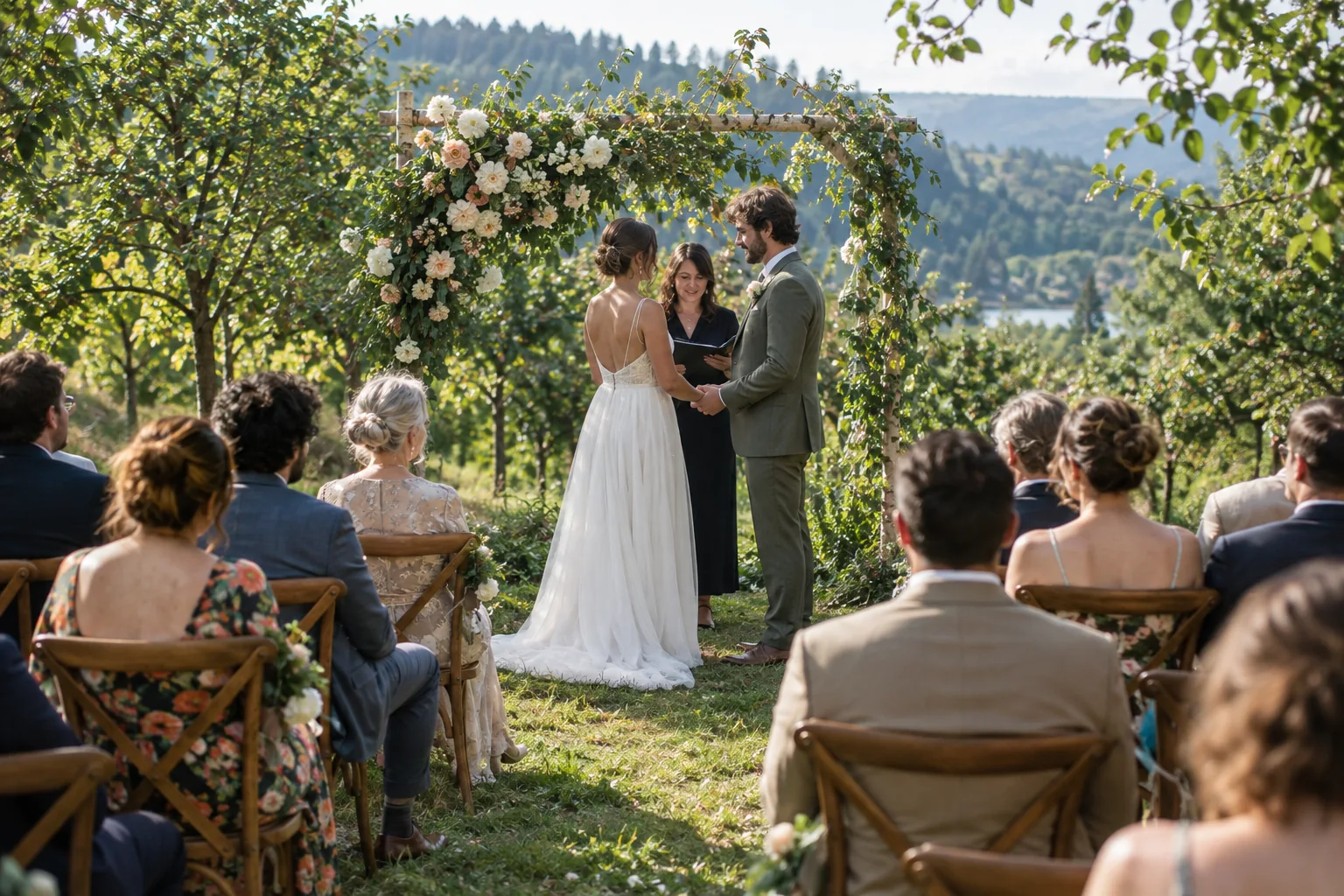
Small Wedding Ideas With Space for Real Connection
Thoughtful small wedding ideas for ceremonies, meals, layouts and guest care—plus practical ways to make an intimate gathering feel intentional.
Read the guideA plan should give you time back.
Set the budget and guest count together before falling for a venue. Ask what a quote includes before comparing its price with another. Map the guest journey from parking to the last goodbye. Give one person authority to handle day-of questions so the couple can be present.
Break long planning lists into decisions with owners and deadlines. A photographer may need to be booked early; place cards can wait until replies arrive. Keep contracts, payments, and the latest timeline in one shared place. If your ideas start to compete with one another, return to the two or three things you agreed were most important.
Planning with a partner is its own project. Different preferences need not become a contest. Decide which choices each person owns, what needs two yeses, and which traditions you can happily leave out. Our guide to planning together offers a calmer way to divide work and handle family suggestions.
Read the couples' guide ↗Details worth deciding early
See the venue as a guest would.
Walk the entrance, restrooms, ceremony path, and dining room. Check access, shade, sound, and the weather plan. A beautiful photograph cannot tell you whether a guest can find the right door or hear the vows.
Give the guest list a clear rule.
Agree on the space and budget first. Think about travel, mobility, children, and whether people will know anyone else at their table. Explain limits kindly and consistently.
Leave space between moments.
Factor in photographs, serving times, transport, and the time it takes people to move through a room. A reception can feel generous when guests are not waiting through unexplained gaps.
What you say can stay with someone.
Invitations tell guests how to join you. A card tells a couple that their story matters to you. A short toast can bring a room together. In each case, clarity and a true detail beat elaborate language.
For invitations, state who is invited, where to go, and how to reply. For cards, name something you have seen in the couple and offer a wish that sounds like your own voice. If you want a starting point, our wedding card examples and invitation wording guide give you sentences to adapt. You can also look through message ideas for special occasions when you need a fresh angle, or browse playful wedding card wording if a gentle joke suits the people receiving it.
Do not borrow a tone that feels unlike you. The best note is often a small, specific observation followed by a sincere wish. That is enough to make it memorable.

Stories for every stage.
Start with the decision in front of you. There is a guide for setting the plan, a guide for hosting well, and a guide for the words you want to get right.
A Wedding Planning Checklist That Leaves Room to Breathe
A practical wedding planning checklist organized by decisions, deadlines and handoffs so you can plan a celebration that feels like yours.
Read the guideWedding Card Messages That Sound Like You
Find wedding card message examples for friends, family and coworkers, with a simple way to turn a borrowed line into a personal note.
Read the guideSmall Wedding Ideas With Space for Real Connection
Thoughtful small wedding ideas for ceremonies, meals, layouts and guest care—plus practical ways to make an intimate gathering feel intentional.
Read the guideHow to Plan a Wedding Together Without Losing the Joy
A practical approach to wedding planning as a couple, from dividing decisions to handling family requests and keeping disagreements productive.
Read the guideWedding Reception Ideas Guests Will Actually Enjoy
Reception ideas centered on flow, comfort and memorable moments, with practical choices for food, music, speeches and small spaces.
Read the guide
Thoughtful Wedding Gifts for Couples Who Have Enough Stuff
Wedding gift ideas that balance usefulness and personal meaning, including registry alternatives, shared experiences and thoughtful cash gifts.
Read the guideWedding Invitation Wording and Etiquette, Made Clear
Clear wedding invitation wording examples, RSVP timing and etiquette for names, plus-ones, dress codes and practical guest information.
Read the guideWhat to Do the Week Before Your Wedding
A calm day-by-day plan for the week before your wedding, including final confirmations, packing, handoffs and what to leave alone.
Read the guideBuild something you will use together.
A celebration marks a commitment, but the partnership lives in ordinary weeks: the way you make decisions, host friends, take a trip, or spend a quiet evening at home. That is why we write about relationships and gifts alongside ceremonies and reception plans.
When choosing a gift, let the couple's routines lead. An item from their registry, a flexible experience, or a contribution to a shared goal can all be thoughtful. Our gift guide for modern couples helps you choose without guessing what their home needs. If you are thinking about shared activities rather than traditional keepsakes, couple-themed gifts and accessories can offer another perspective.
There is no prize for matching an idealized newlywed image. Useful gifts and good plans make room for the real people receiving them.
Keep the good parts in focus.
Venue and vendor quotes often vary in setup hours, staffing, service fees, and cleanup. Compare totals and responsibilities.
Check routes, restrooms, seating, sound, and transport for the guests you actually invited.
A trusted point person and a short run sheet free the couple from answering routine questions all day.
If a tradition adds cost or pressure without meaning, you can leave it out.
Questions that make the day yours.
Planning becomes easier when a decision is attached to a real person, place, or moment. Use these questions before buying another detail.
What will guests need first?
Imagine a friend arriving from out of town without a car. They need the correct address, a realistic arrival time, and a way to find the door. Then think of a relative who cannot walk far, a guest managing an allergy, and someone who will arrive alone. These small journeys reveal what to put on an invitation or details page.
You do not need elaborate signage for a simple room. You do need clear instructions when the entrance is hidden, parking is restricted, or the ceremony is on grass. Ask the venue to walk you through the experience rather than relying on a floor plan.
What do you want to remember?
Some couples remember the ceremony words; others picture a long meal with family or a dance floor full of old friends. Name the moments you care about and place them on the schedule before adding extra activities. If you want time to speak with every guest, do not fill the entire evening with photo sessions and formalities.
A photographer can help you capture details, but the best memory may be one you had time to experience. Protect pauses for eating, talking, and stepping aside together. A timeline with no empty space can make a generous day feel rushed.
What can the budget support?
A budget is a set of tradeoffs, not a moral score. Calculate full costs before comparing venues or packages. Remember taxes, delivery, staffing, outfit alterations, and transport. If one category grows, choose deliberately where the money comes from. Do not let many small “only this once” upgrades quietly replace a priority you both chose.
Ask for written quotes and keep signed agreements together. If family members contribute, clarify the gift and any expectations before committing the money. The goal is a celebration you can enjoy without a financial surprise on the other side of it.
Who can make a call on the day?
Assign a trusted point person for deliveries, vendor questions, and small timing changes. Give them the final schedule, contact list, and clear limits on what they can decide. Your venue may provide a coordinator for some tasks; ask exactly what that role covers. A friend can help too, but do not give someone so much responsibility that they miss the event.
Talk through the weather plan and the end-of-night collection of cards, gifts, and belongings. These tasks are easy to ignore until they become urgent. A short handoff lets you and your guests stay in the celebration.
There is no perfect way to hold every family expectation, guest need, and dream at once. You can make thoughtful choices with the information you have, explain them clearly, and leave room for people to be people. That is a more useful aim than a flawless image.
If you are beginning now, read the planning checklist for the order of decisions. If the last few days are close, the final-week guide can help you hand over the plan and enjoy what you made.
When a rule is local, check locally.
Marriage license rules depend on where the ceremony takes place. Venues set their own schedules, sound limits, accessibility arrangements, and weather procedures. Caterers set count deadlines and policies for dietary requests. A helpful article can show you the right questions; the responsible office or provider supplies the current answer. Save written confirmations with your planning documents, especially when an answer changes the budget or a guest's travel plan.
Likewise, wedding etiquette is a tool for making people feel welcome, not a single script everyone must follow. State invitations clearly, respect names and relationships, and tell guests what they need to prepare. Good manners often look like simple, accurate information delivered in time to use it.
Useful advice, clearly sourced.
Dec Wedding publishes practical editorial guidance, not promises that every vendor, venue, or local rule works the same way. We select topics around questions couples and guests actually face, check time-sensitive details against appropriate sources, and distinguish examples from requirements. Confirm prices, contract terms, accessibility details, and marriage rules with the relevant provider or local office before acting.
We do not claim to have planned your wedding for you. Our goal is to help you ask better questions and make decisions that fit your circumstances. Read more about our editorial process or send a correction.